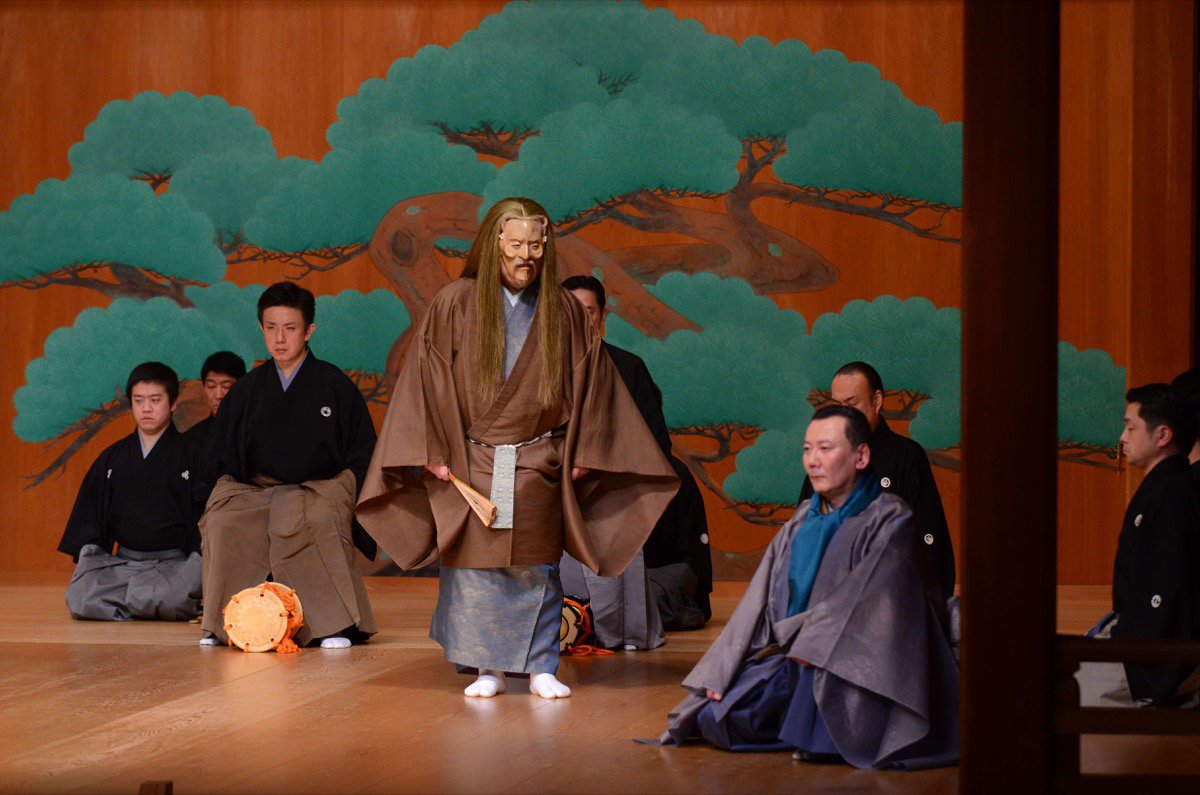
The Tessen-Kai Noh Theater Association: Contemporary Plays
The Tessen-kai Noh Theater Association is a renowned Noh performing organization led by Kanze Tetsunojo family. It was established as a branch family of Kanze School in the early 18th century. After the World War II, Kanze Hisao (1925-1978), the first son of Kanze Tetsunojo the Seventh, led the renaissance of Noh and explored its potential through practice and study. During the time, Hisao and the Tessen-kai vigorously engaged in multi-disciplinary, international projects. Currently, the Tessen-kai is led by Kanze Tetsunojo the Ninth (1956- ) who took over the name in 2002. While preserving the classical repertory, the organization creates new plays and actively looks for new ways of expression through collaboration with artists from other disciplines. The Tessen-kai continues to explore the possibilities of Noh as an art form that is relevant to today's audience.
The Piano Tuner – Chopin Noh Play
Created by Jadwiga M. Rodowicz-Czechowska
Translated by Tokimasa Sekiguchi
Directed by Kenichi Kasai
Choreographed and Performed by Tetsunojo Kanze IX
Integrating Chopin's poetic music and Japanese traditional theater, The Piano Tuner opens up a new field of performing arts.
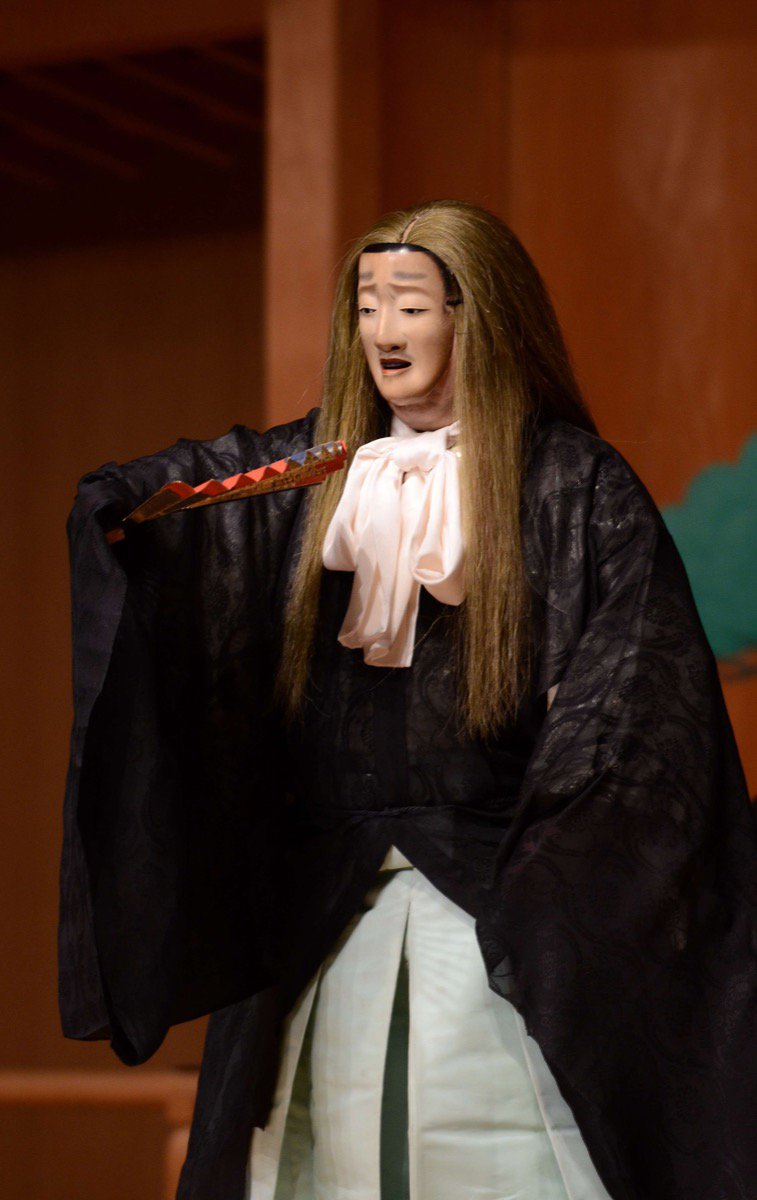
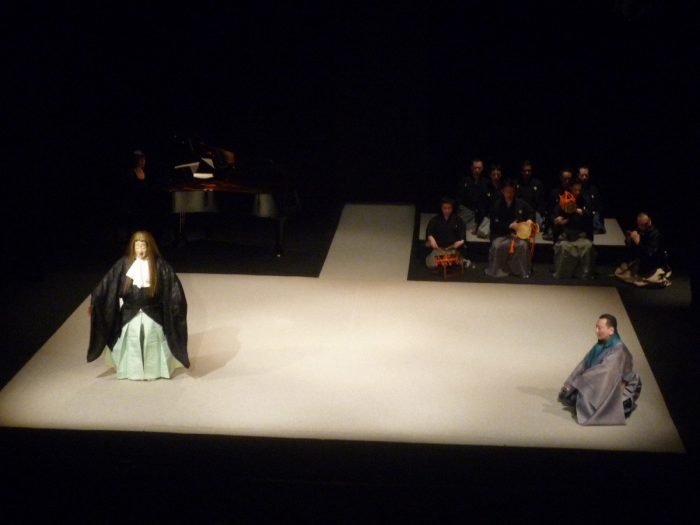
Story: Delacroix, a French artist, visits the village where his deceased friend Chopin spent summers with his lover George Sand. He encounters a piano tuner who tells him about the essence and richness of piano music. Implying that he is Chopin's spirit, the piano tuner disappears. When Delacroix falls into a doze and hears Chopin's lullaby and prelude, Chopin's spirit appears. Recalling the days with Sand and expressing his love for music, Chopin dances to his own nocturne. Chopin asks Delacroix to bring his soul to his hometown Warsaw and disappears. While Chopin's last work resonates in his mind, Delacroix thinks of the deceased friend.
Beautiful and sensational. The Piano Tuner perfectly embodies a seemingly impossible integration of two artistic manifestations: one exists in liberal and ephemeral performance, and the other in disciplines and formality fostered and handed down for hundreds of years.
— Andrzej Wajda (film director)
Performance History
- Teatr Studio (Warsaw, Poland, 2011)
- Holy Cross Church (Warsaw, Poland, 2011)
- National Noh Theater (Tokyo, Japan, 2011)
- Ishikawa Ongakudo (Ishikawa, Japan, 2011)